
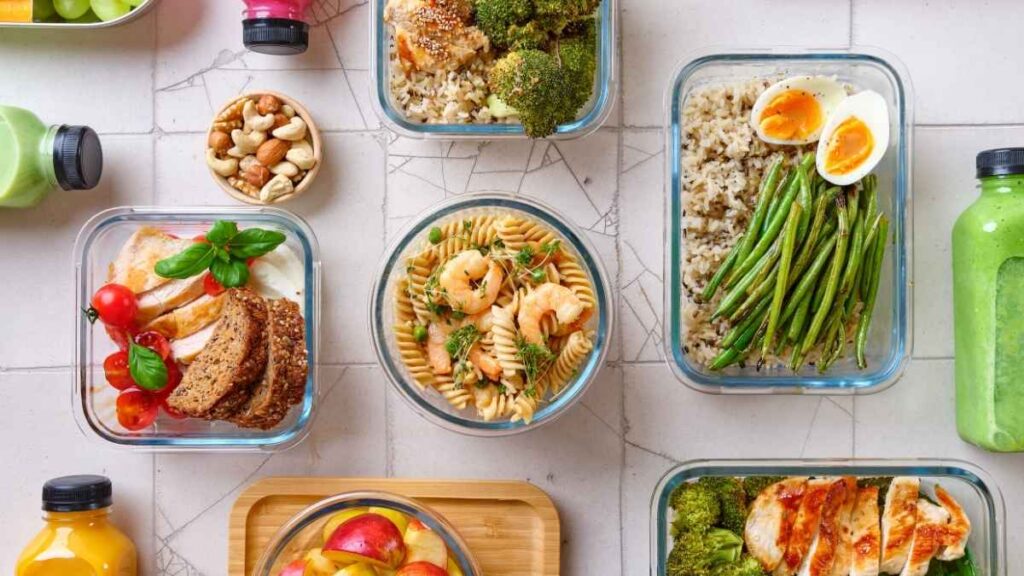
At Children’s Learning Center in High Ridge, Missouri, meals are more than a break between activities. They are an essential part of how children learn, grow, and develop from their very first weeks through school age. This article explains why daily meals and snacks – all included in tuition – are intentionally designed to fuel healthy bodies, calm minds, and stronger outcomes in every classroom.
Key Takeaways
- Daily meals and snacks are included in weekly tuition at Children’s Learning Center and are planned to support healthy eating, balanced nutrition, and early childhood development for children ages 6 weeks to 12 years.
- Balanced, high fiber meals with age-appropriate portions help children focus, self-regulate, and reach stronger student learning outcomes from infancy through the school-age years.
- High quality instructional materials in the classroom are paired with thoughtful mealtimes to nurture social skills, independence, and overall well being across every program.
- Meals at the center follow clear guiding principles including safety, nutrition quality, allergy awareness (such as gluten free options when needed), and family partnership.
- Below you will find concrete examples of daily meal schedules, typical menus, and how families exploring child care in 2026 can learn more or schedule a tour.
Why Meals Matter in Early Childhood Learning
Regular, nourishing meals are as important to early childhood education as books, toys, and other instructional materials. When children sit down to a balanced plate at predictable times each day, their bodies and brains get the fuel they need to engage, explore, and absorb new skills.
Consistent meals stabilize blood sugar levels, which directly supports steady energy and attention. Regular meals help maintain cognitive function and focus – something every parent notices when a missed snack leads to a meltdown. Research confirms that nutritional patterns influence emotional and psychological well being, and that meals play a key role in mental health and emotional regulation even in the earliest years.
During the first three years and beyond, nutrition and routine shape how the brain develops, how children manage their behavior, and how they relate to the people around them. A nationally representative U.S. study found that each additional household routine – including regular mealtimes – was associated with 1.47 greater odds of a child having high social-emotional health.
At Children’s Learning Center, meals connect directly to our mission: providing a safe, nurturing, and play-based learning environment that supports every stage of development for families in High Ridge.
Our Guiding Principles for Mealtimes
Children’s Learning Center uses clear guiding principles to plan and serve every meal and snack. These principles shape how food is prepared, how it reaches the table, and how teachers interact with children during eating times.
Our mealtimes are built around safety first – appropriate food sizes, close supervision, and allergen awareness at every step. Nutrition quality matters, so each meal plan follows component-based standards with lean proteins, fruits, vegetables, and whole grains. Age-appropriateness means that infants receive responsive feeding while preschoolers practice family-style serving. Cultural respect means we listen to families about food traditions and preferences. And every meal is served in a joyful, unrushed environment where children feel comfortable.
These guiding principles parallel the way we choose high quality instructional materials for the classroom. Just as educators select tools and resources that match each child’s developmental stage, our kitchen team and teachers choose foods that support growth. Scheduled mealtimes align metabolism with daily activities, so children are neither overly full nor running on empty during circle time, outdoor play, or rest.
Mealtimes are also designed to promote healthy eating habits and self-help skills. Children learn to pour from small pitchers, serve themselves from shared bowls, and clean up after eating. Consistent meal patterns prevent extremes of hunger and overeating, giving kids a sense of control and comfort throughout the day.
Nutrition That Supports Overall Well Being
Overall well being for young children means more than being free from illness. It includes physical health, emotional balance, and readiness to learn. What children eat each week plays a direct role in all three.
At Children’s Learning Center, every meal focuses on balanced nutrition with lean proteins, fruits, vegetables, and high fiber whole grains, tailored for ages 6 weeks to 12 years. Eating a balanced diet promotes overall health and longevity, and balanced meals provide essential macronutrients and micronutrients that young bodies need to grow, move, and think clearly.
Here are a few examples of what a typical day might look like on our rotating menu:
- Breakfast: Oatmeal with diced fruit and a small cup of milk
- Lunch: Turkey and cheese wraps with carrot sticks, sliced fruit, and water
- Afternoon snack: Yogurt with whole grain crackers or cheese sticks and vegetables
Regular meals contribute to immune support and chronic disease prevention, which is especially significant during the early childhood years when immune systems are still developing. Consistent meals foster better nutrient intake across the day, which means children are less likely to experience the energy crashes that come from skipped meals or sugar-heavy foods. By limiting excess calories from added sugars and ultra-processed items, the center supports calmer behavior, steadier energy, and better nap and play patterns.
Healthy Eating Habits That Last Beyond the Classroom
Early childhood is a powerful time to build lifelong healthy eating patterns. The flavors and foods children experience now shape what they will reach for as students, teenagers, and adults.
Repeated exposure to colorful fruits, vegetables, and high fiber foods helps children become more curious and less picky over time. Research shows that when teachers and peers model trying new foods, children are more willing to follow. At Children’s Learning Center, educators use mealtimes as mini professional learning moments with children – talking about colors, textures, where foods come from, and how nutrition helps our bodies stay strong.
For example, a fall tasting day in 2026 might feature roasted sweet potatoes, fresh apple slices, and warm whole grain bread, giving kids a chance to explore new flavors in a low-pressure setting. These kinds of experiences help children build a positive relationship with food that carries into dinner at home and meals at school in later years.
Meal timing impacts health outcomes including obesity and diabetes, and eating regularly lowers the increased risk of heart disease and diabetes – benefits that begin forming in childhood. The CDC’s obesity prevention standards for early care settings highlight the importance of age-appropriate portions, limited saturated fat, and adults eating alongside children.
Families can ask teachers for simple tips to continue these habits at home in the evenings and on weekends.
How Meals Connect to Student Learning Outcomes
The link between nutrition and student learning outcomes begins much earlier than most people realize – even in infancy and toddlerhood. When children arrive at the classroom well-fed and on a predictable schedule, they are prepared to participate, listen, and practice new skills.
Well-fed children show better focus during circle time, participate more fully in hands-on activities, and manage emotions more effectively. Consistent meal timing supports the daily routine, making transitions into instructional activities smoother and less stressful for both children and teachers.
When hunger is not a distraction, educators can use classroom instructional materials more effectively to build early literacy, math, and problem-solving skills. High quality materials improve student learning outcomes significantly. In fact, research suggests that using top-ranked math programs can boost achievement by 3.6 percentile points, and that improving curriculum quality is 40 times more cost-effective than class size reduction. Nationally, students spend 581 of 720 instructional hours on non-high-quality, grade appropriate assignments – a gap that well-designed early childhood programs can help close from the start.
Here is a concrete example from a typical Pre-K morning: children arrive and eat breakfast together, building vocabulary as they name foods and count pieces of fruit. After breakfast, they move into small group instruction where the teacher uses manipulatives and books. A mid-morning snack of pretzels and apple slices resets energy, and the group returns to a focused science activity. Breakfast, snack, and learning time work together as one system supporting kindergarten readiness.
Meals, Routines, and Early Childhood Development
Secure routines – including predictable meals and snacks – are one of the strongest supports for early childhood social-emotional development. When children know what comes next, they feel safer, calmer, and more willing to explore.
In the Caterpillar Classroom, infants experience responsive feeding that builds trust and secure attachment. Teachers hold babies during bottle feeding, read hunger cues, and support self-feeding when each child is developmentally ready, following Missouri’s licensing requirements that no more than four hours pass between meals or snacks during daytime care.
Toddlers in the Ladybugs and Bumblebees classrooms practice turn-taking, patience, and early language during shared snack time, passing bowls of crackers, asking for more fruit, learning words like “please” and “all done.” Early preschoolers in the Dragonflies classroom begin serving themselves and talking about what they notice on their plates.
The quality of these routines matters enormously. Only 10% of child care programs nationally are considered high quality, yet high-quality early learning reduces special education needs later, and children in high-quality programs are less likely to commit juvenile offenses. High-quality early education significantly boosts future employment rates, and children from low-income families benefit most from high-quality programs. These educational outcomes reinforce why the implementation of strong daily routines, including meals, is critical at every stage.
Special Diets, Allergies, and Gluten Free Options
Children’s Learning Center takes allergies and special dietary needs seriously. Every child deserves to feel included and safe at the table, regardless of food restrictions.
During enrollment, families document allergies, intolerances, and preferences, including gluten free, dairy-free, or vegetarian needs. This information is reviewed with classroom teachers, kitchen staff, and center leaders so that every adult involved in meal prep and serving is aware.
Practical safety steps include labeled meal lists posted in each classroom, staff training on allergen protocols, separate preparation areas for certain foods, and careful supervision during every meal. Nuts, for example, are handled with strict guidelines to protect children with nut allergies.
The center works with families to identify safe substitutions, such as rice-based crackers in place of wheat-based options, or sunflower seed butter instead of peanut butter – so children with special diets still enjoy mealtimes with peers. While the center is not a medical facility, it partners closely with families and follows physicians’ instructions when needed. Parents can update dietary information at any time through the office.
Families are welcome to ask for the current 2026 classroom-specific schedule during a tour or through the contact page at clc-mo.com/contact.
Teaching Social Skills and Independence at Mealtimes
Mealtimes double as social learning labs at Children’s Learning Center. Sharing meals strengthens social connections and community bonds and children practice these connections every single day.
Age-appropriate responsibilities grow with each classroom. Older toddlers pass napkins to friends. Early preschoolers help clear their plates and wipe the table. Pre-K children serve themselves with child-sized utensils and pour their own water, building independence and confidence.
Teachers coach polite language at the table “please,” “thank you,” “may I try some?” and encourage real conversation. During a small-group lunch, for example, a teacher might ask children to name the color of their vegetables or count slices of fruit, connecting mealtime with learning in a way that feels natural and fun.
All expectations are gentle, developmentally appropriate, and supported by caring adults. Children are never pressured to eat or shamed for not finishing. The goal is to create an environment where kids feel confident trying new foods and practicing new skills at their own pace.
Meals, Safety, and Accreditation Standards
Children’s Learning Center’s Missouri Accreditation and state licensing are tied to clear health and safety standards for food and mealtimes. These are not optional, they shape how every meal is prepared, served, and supervised.
Staff follow safe food handling protocols, offer age-appropriate food sizes and textures, and provide close supervision at every table, especially for infants and toddlers. Practical examples include cutting grapes and hot dogs lengthwise to reduce choking risk, requiring seated eating only, and modeling slow, mindful chewing.
Secure building access, monitored safety measures, and KinderConnect sign-in and sign-out support safe transitions throughout the day, including to and from dining areas. Meeting and exceeding these standards is part of the center’s commitment to high quality care. Skipping safety steps carries an increased risk that no accredited program should accept.
Mealtimes as Part of Our High Quality Instructional Environment
At Children’s Learning Center, meals, play, and curriculum-guided activities all work together as one learning environment. There is no hard line between “eating time” and “learning time”, both happen simultaneously.
Teachers weave in counting, color identification, early science (where does milk come from? how do carrots grow?), and simple vocabulary during meals. Research from the Harvard University Center on the Developing Child has long emphasized that the quality of everyday interactions, including mealtime conversations, shapes brain architecture in early childhood. Organizations like the National Institute of Child Health and the Center for American Progress have echoed these findings, as has a comprehensive review of mealtime practices in early care settings.
High quality instructional materials include more than books and manipulatives. Plates, utensils, pouring pitchers, and even a “rainbow foods” chart at lunch can be tools for instruction. In 2026, for example, teachers at Children’s Learning Center use a rainbow chart to encourage children to notice variety in their meals and talk about their choices – connecting eating with science, vocabulary, and self-awareness.
Staff participate in ongoing support and professional learning to keep up with latest trends in early childhood nutrition and classroom practice. Reports from the RAND Corporation, based in Santa Monica, have highlighted how ongoing training and strong instructional leaders make the difference between average and exceptional preschool programs. Only 18% of teachers nationally believe their materials fully align with standards a gap that committed educators work to close every day.
Partnering With Families Around Food and Well Being
Children’s Learning Center values family voice when planning meals and supporting each child’s well being. Parents know their children best, and that knowledge is a resource the center actively seeks out.
Families can share cultural food traditions, preferred ingredients, or special celebrations that might be reflected in classroom snacks or activities. Communication tools like daily notes, newsletters, and parent conversations help keep everyone informed about what children are eating and how mealtimes are going.
Teachers and leaders are happy to talk with families about concerns like picky eating, portion sizes, and building better routines around breakfast and dinner at home. One study found that children who eat meals in structured, low-pressure settings at child care often carry those habits into family life making evenings smoother for everyone.
Parents are encouraged to reach out through the contact page or in person to discuss individual needs. The goal is a true partnership where the center and families together create the conditions for every child to thrive.
How to Learn More and Schedule a Tour
Families in and around High Ridge, Missouri, who are exploring child care options in 2026 are welcome to see the center in person. A tour is the best way to understand how meals, learning, and care come together in one place.
During a visit, families can view classrooms, see where and how meals are prepared and served, and ask specific questions about menus, allergies, and daily routines. The Programs page offers details on infant, toddler, early preschool, and Pre-K offerings and how meals are integrated at each age level.
To request current menus, ask about special diets like gluten free options, or schedule a visit that fits your calendar, reach out through the Contact page. Bring your questions about nutrition, well being, and learning the team is ready to offer personalized guidance and help your family feel confident about the next step.